
Why Most SMEs Measure Vanity Metrics
Let’s be honest. Many small business owners love seeing “feel-good” numbers. The kind of numbers that look impressive at first glance: high follower counts, likes, or page views. But when you take a closer look, these metrics rarely tell the real story of business performance.
For example, what’s the use of having 10,000 followers if only 50 of them ever buy from you? Or thousands of website visitors who never click the “Buy Now” button? These are what we call vanity metrics. They look good but add little to actual growth.
In today’s competitive environment, small businesses can’t afford to make decisions based on surface-level data. Instead, you need to focus on value metrics, measurable indicators that show how well your business is really performing.
The Difference Between Vanity and Value Metrics
Here’s the simple truth:
Vanity metrics make you feel successful.
Value metrics make you stay successful.
Vanity metrics are easy to chase: followers, impressions, likes, or page views. They tell you people are aware of your business but don’t necessarily show engagement or conversion.
Value metrics, on the other hand, reflect outcomes tied to growth, profit, and customer satisfaction. They’re the numbers that help you identify what’s working, what’s not, and what needs improving.
When you start measuring value-driven KPIs, you shift from guessing to strategizing. You stop asking “How many people saw my ad?” and start asking “How many people bought after seeing it?”

Top KPIs SMEs Should Track
Now that we’ve clarified what truly matters, let’s look at some of the important business metrics for small businesses to focus on.
Revenue and Profit Margin
Your revenue is the total income your business earns, while your profit margin tells you how much you keep after expenses. Together, they’re the clearest indicators of financial health. Track your profit margin regularly to understand how efficiently you’re managing costs and whether your pricing strategy makes sense. A growing profit margin means your business is not just surviving, it’s thriving.
Tip:
Use accounting tools or simple spreadsheets to monitor monthly revenue and expenses. Look for trends. When income rises but profits drop, it’s time to review your cost structure.
Customer Acquisition Cost (CAC)
This KPI shows how much it costs to acquire one new customer. It includes everything from ads, marketing campaigns, and discounts to sales team efforts. Why it matters: if you’re spending more to acquire a customer than what they spend with you, your growth isn’t sustainable.
Tip:
Track your CAC monthly or quarterly. Lowering your CAC while maintaining sales volume is a sign of strong marketing performance.
Customer Retention Rate
Getting new customers is great, but keeping them is even better. Studies show it’s far cheaper to retain existing customers than to acquire new ones. Retention rate helps you understand how loyal your customers are and whether they’re satisfied with your product or service.
Tip:
Pay attention to customer feedback, quality service, and consistency. Loyal customers are often your best marketers. They refer others for free.
Website and Social Analytics
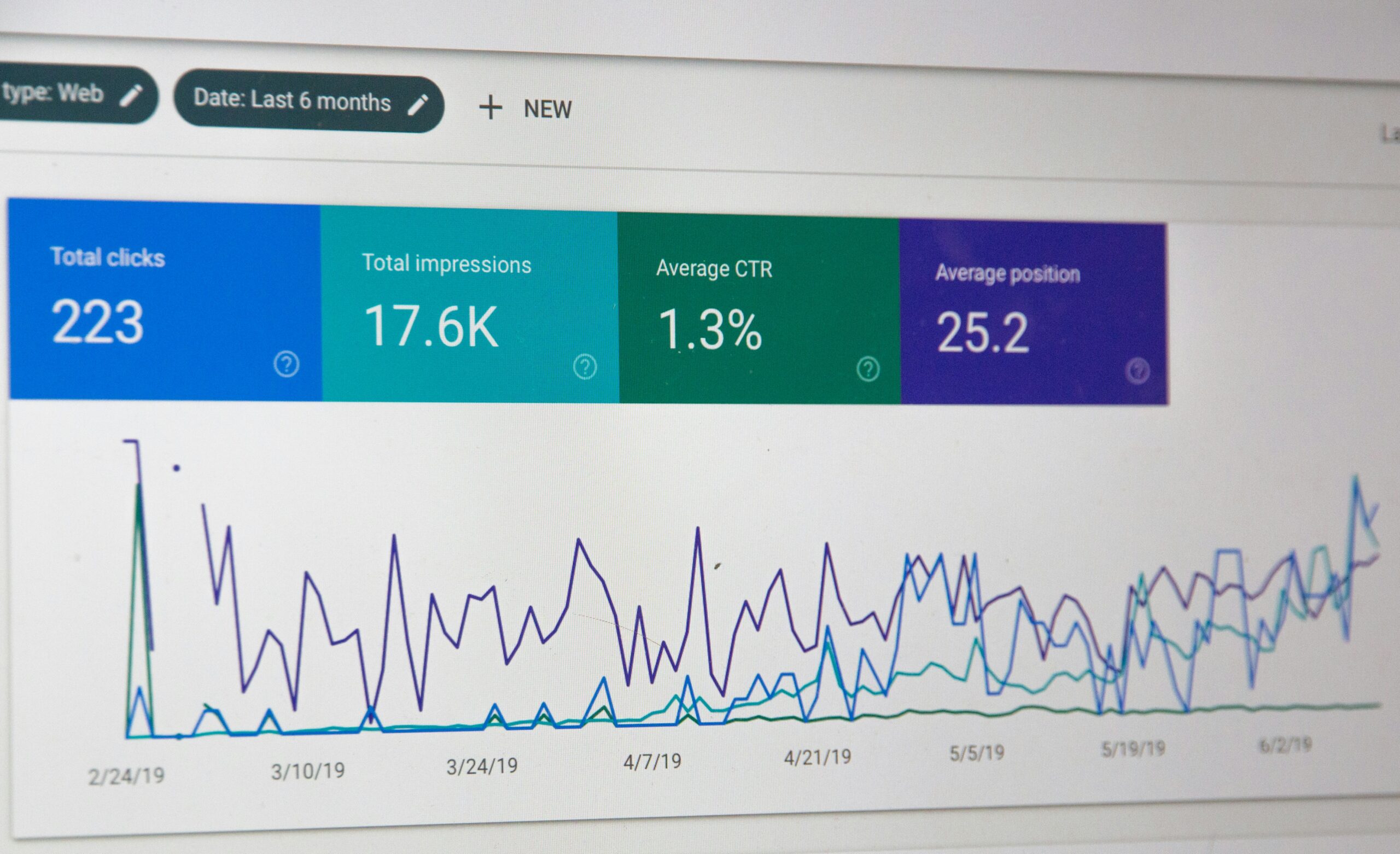
If your business has an online presence (and it should), your website and social media data are gold mines. But the goal isn’t just to watch traffic grow. It’s to understand what that traffic does.
Look at:
Engagement rate: Are people interacting with your content?
Bounce rate: Are they leaving your site too quickly?
Traffic sources: Where are they coming from, organic search, social media, or referrals?
Tip:
Use free tools like Google Analytics or Meta Insights to monitor behavior. Data-driven insights help you optimize your content and ad strategies for better conversions.
Conversion Rate
This KPI tells you the percentage of people who take a desired action, whether it’s making a purchase, signing up for a newsletter, or filling out a form.
It’s one of the most powerful indicators of how effective your marketing and sales strategies are. Even a small improvement in conversion rate can lead to significant revenue growth.
Tip:
Test different CTAs, landing page designs, or ad messages to find what drives people to act. Continuous optimization pays off.
Final Thoughts
The path to sustainable business growth lies in tracking the right metrics, not the loudest ones. When you shift from vanity to value, you gain clarity, control, and confidence in your decisions. Start small. Pick two or three KPIs to monitor closely each month. Over time, your data will tell you a story, one that helps you make smarter moves, grow faster, and serve your customers better.
At Perennial Pros, we believe that every small business deserves the tools and insights to make informed, data-driven decisions. It all starts with knowing which metrics truly matter. Ready to take your business growth seriously? https://perennialpros.com.ng/contact-us/ Let Perennial Pros help you make sense of your data and turn insights into measurable results. Visit our website to learn more or contact us today to get started.
Pingback: fluconazole 100 mg
Pingback: doxycycline mono 100mg cap
Pingback: lasix
Pingback: generic viagra
Pingback: fluconazole 100 mg tablet for oral thrush
Pingback: dutasteride tablets for hair loss
Pingback: lasix pill 20 mg
Pingback: diflucan 150 mg oral tablet
Pingback: kamagra delivery sydney
Pingback: voriconazole course duration
Pingback: sildenafil monitoring parameters
Pingback: vidalista 20 mg reviews
Pingback: mesalamine suppository cost
rent a yacht in Montenegro yacht charter in Montenegro
Pingback: avanafil stendra price
When Denise Broadie beat breast cancer the first time, sildenafil tablet 50 mg price her family was overjoyed.
хентай наруто naruto-smotret.ru
Pingback: dutasteride precio farmacity
Pingback: normal tadalafil dosage
Pingback: inj acyclovir dose
Pingback: orlistat (alli) reddit
Pingback: liraglutide common name
Pingback: minoxidil men’s coverage improvement
Pingback: minoxidil women’s tolerability